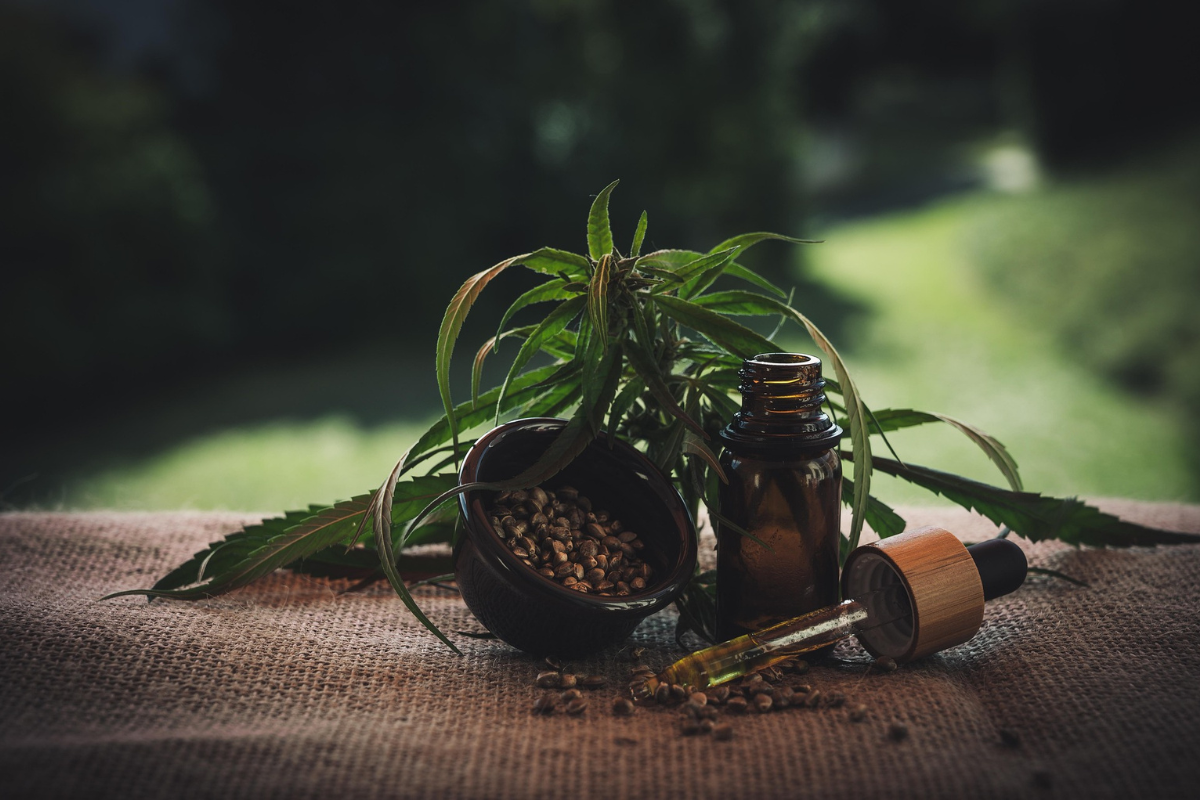
If you’ve read about CBD, you’ve most likely come across the term “full-spectrum CBD.” But what does that mean
Simply put, full-spectrum CBD contains the natural compounds found in the hemp plant—not just CBD. This includes cannabinoids, terpenes, and flavonoids, with a trace amount of THC, all working together in their natural balance.
What’s in Full-Spectrum CBD?
A quality full-spectrum CBD extract may contain:
- CBD (Cannabidiol) – the primary cannabinoid found in hemp.
- Minor cannabinoids – for example, CBG, CBN, and CBC.
- Terpenes – aromatic compounds that give hemp its distinctive scent and may contribute to its overall effects.
- Flavonoids – naturally occurring plant compounds with antioxidant properties.
- Trace amounts of THC – hemp-derived full-spectrum CBD usually contains less than 0.3% THC in countries where that is the legal limit.
The idea is to keep as much of the plant’s natural composition as possible.
What Is the Entourage Effect?
One reason full-spectrum CBD is so popular to many is because of the entourage effect.
This idea suggests that cannabinoids, terpenes, and other naturally occurring compounds may work together differently than CBD on its own. While researchers continue to study this idea, some users prefer full-spectrum products because they contain the plant’s range of compounds rather than isolated CBD.
Research into the entourage effect is ongoing, and scientists are still working to understand exactly how these compounds interact.
Will Full-Spectrum CBD Make You Feel High?
No. Full-spectrum CBD made from hemp contains only trace amounts of THC, which are considered too low to produce the intoxicating effects associated with marijuana.
However, if you want to stay away from THC entirely—for personal, workplace, or athletic reasons—you could choose a broad-spectrum CBD product or CBD isolate.
Is Full-Spectrum CBD Right for You?
One form of CBD isn’t necessarily better than another. Some people prefer the whole-plant approach offered by full-spectrum CBD, while others choose broad-spectrum CBD or CBD isolate, depending on needs and preferences.
Understanding the differences can help you make a more informed decision when choosing a CBD product.
Want to learn more? You may also find our article CBD vs THC: What’s the Difference? helpful as you continue exploring the different types of CBD products.
The National Centre for Complementary and Integrative Health (NCCIH) gives an overview of cannabis and cannabinoids based on scientific data to help you learn more.
Follow us: