One of the most common questions people ask is, “How does CBD actually work?”
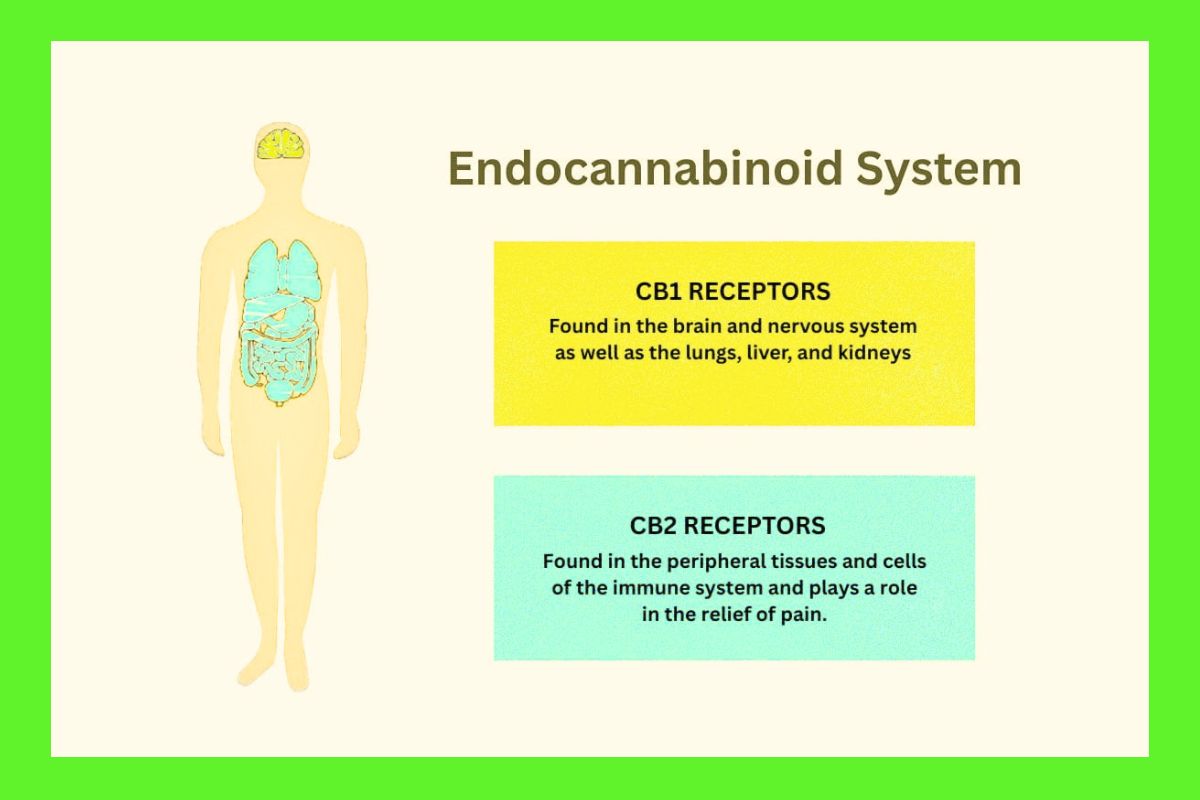
The answer begins with a little-known system found in all humans: the endocannabinoid system (ECS).
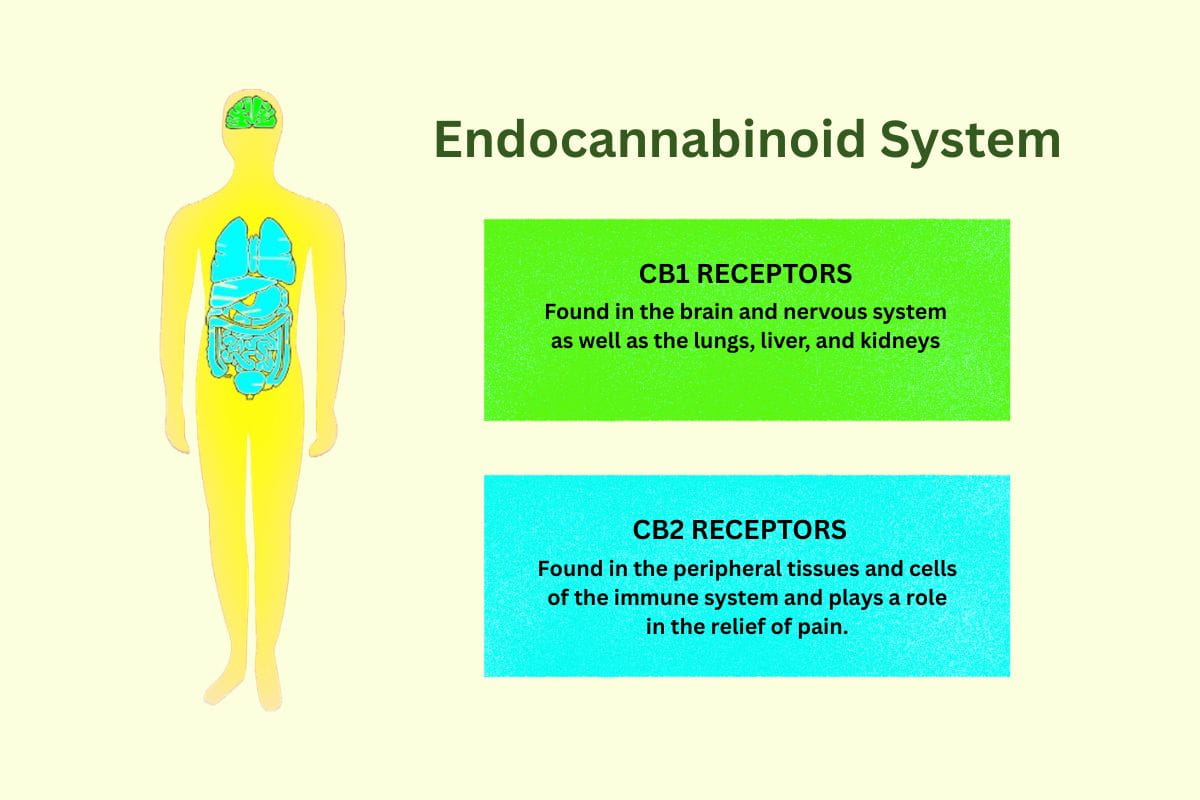
What Is the Endocannabinoid System?
The endocannabinoid system is a network of receptors, naturally occurring compounds, and enzymes found throughout the body. Researchers believe it plays a role in helping maintain balance, or homeostasis, in many important functions, including:
- Mood
- Sleep
- Appetite
- Stress response
- Memory
- Immune function
- Discomfort and inflammation responses
In simple terms, the ECS helps the body regulate and maintain normal function.
New to CBD? Read our guide: What Is CBD? A Beginner’s Guide to Cannabidiol
Where Does CBD Fit In?
Unlike THC, CBD does not produce a “high.” Instead, researchers believe CBD works indirectly with the endocannabinoid system.
Rather than binding directly to cannabinoid receptors, CBD appears to influence how the body’s natural endocannabinoids function. This interaction may help support the body’s efforts to maintain balance and normal function.
Scientists continue to study CBD and its relationship with the ECS; research is ongoing.
Why Is This Important?
The discovery of the endocannabinoid system helped researchers better understand why compounds found in cannabis plants may affect the body.
While many people use CBD as part of their wellness routine, we must remember that research is still evolving, and individual experiences may vary.
Learn More About CBD
Understanding how CBD works is a big first step in making informed decisions about CBD products. As scientists continue to learn more about the endocannabinoid system, our understanding of CBD will continue to grow.